Kanto Japanese Cuisine
Kanto cuisine is the traditional cuisine of the Japanese people mainly in the Kanto(関東) Region of eastern Japan. Tokyo(東京) is the main city in the region.
Life in Kanto, especially Tokyo, is fast-paced. Tokyo was previously called Edo(江戸)and used to be a much smaller town with a strong fishing industry in what is now Tokyo Bay. Edo was an important location for the development of sushi as it is today. Edomae sushi(江戸前寿司), sushi made with ingredients from Tokyo Bay, has become a standard of high-quality sushi.
A personal-sized kettle or cauldron(釜 kama) is sometimes used for cooking and serving rice dishes.
Sumo is a traditional sport of the Kanto region and throughout Japan.
Ingredients
Rice is a main staple in Kanto cuisine, typically steamed. Short- to medium-grain japonica rice is the traditional type used. For sushi, a sweetened vinegar is added to make vinegar rice(酢飯 sumeshi).
Rice is used to produce rice wines called sake(酒) and mirin(みりん) as well as rice vinegar(米酢 komezu). Red rice vinegar(赤酢 akazu) is sometimes used for seasoning Edomae sushi.
Buckwheat is used to make soba(そば), or buckwheat noodles.
Soybeans are fermented to produce natto(納豆). Natto was popular in Kanto before it spread across Japan. Miso is also an important ingredient in Kanto, especially red miso(赤味噌 akamiso), which is made from soy and wheat or another grain.
Kanto is the where Japan’s most popular kind of soy sauce originated: dark soy sauce. Dark soy sauce is made from equal parts soybean and wheat, which are mixed with salt and fermented for months. For dipping sushi, a type of diluted soy sauce called nikiri shoyu(煮切り醤油) is often used.
burdock(ごぼう gobou)
wasabi(わさび)
ginger, pickled to make gari(ガリ)
nori(海苔 or のり)
Agar is made from types of red algae.
red surf clam(赤貝 akagai), giant clam or mirugai(ミル貝)
shrimp(エビ ebi)
squid(イカ ika), octopus(たこ tako)
Popular fish in the region includes sea bream(鯛 tai), flounder(ヒラメ hirame), skipjack tuna(カツオ katsuo), tuna(マグロ maguro), yellowtail(ハマチ hamachi and ブリ buri), swordfish(メカジキ mekajiki), spotted shad(コハダ kohada), mackerel(サバ saba), and horse mackerel(あじ aji).
Freshwater eel(うなぎ unagi) is generally cut down the back, unlike its preparation in the Kansai region. It is usually steamed and grilled for tender texture.
Eggs(卵 tamago) are commonly used.
Dishes
- steamed rice(ご飯 gohan)
- kettle rice(釜飯 kamameshi): rice with toppings served in a kettle
- unagi don(鰻丼 unadon): grilled and glazed freshwater eel served on rice
- fukagawa meshi(深川めし): rice with boiled clams
- chirashi-zushi(ちらし寿司 chirashizushi): sushi rice bowl topped with raw fish and other toppings
- inarizushi(稲荷寿司): fried tofu skin filled with sushi rice
- nigiri sushi(握り寿司 nigirizushi): raw fish slices or seafood on sushi rice
- kanpyo maki(干瓢巻き): kanpyo rolled with sushi rice in a sheet of nori
- kinpira gobo(きんぴらごぼう): seasoned and cooked burdock root, often with carrot
- udon(うどん): wheat noodles; in eastern Japan usually with dark broth
- kake soba(掛け蕎麦): buckwheat noodles in broth
- natto(納豆): fermented soybeans, a popular breakfast food
- namerou(なめろう)
- sukiyaki(すき焼き)
- aji no hiraki(鯵の開き): grilled dried horse mackerel
- teriyaki(照り焼き): fish or meat grilled and glazed with sweet sauce
- inro-zume(印籠詰め): squid stuffed with sushi rice mixture
- ozoni(お雑煮): mochi soup, eaten on special occasions; kanto style has clear broth
- monjayaki(もんじゃ焼き)
- oden(おでん)
- yokan(羊羹)
Relevant Links
Recipes
-
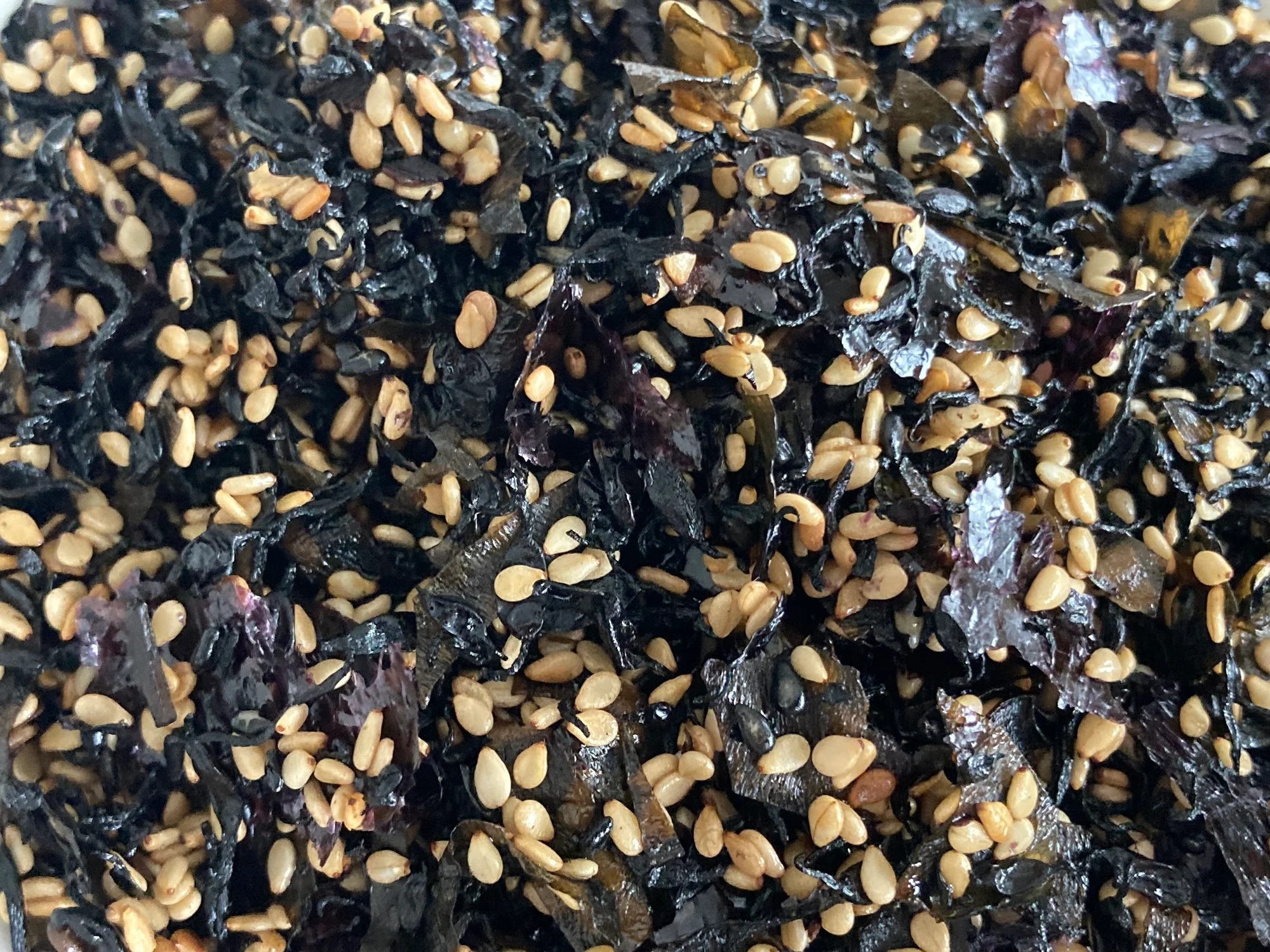
Furikake
Furikake(振り掛け) is a dry topping for rice found in Japanese cuisine. There are many variations. The following recipe is for a vegan variation using seaweed and sesame. Other ingredients sometimes used include katsuobushi, shiso, salmon, and miso. Furikake can be added to onigiri or pickles. It can also be used to garnish plain rice. Recipe…
-
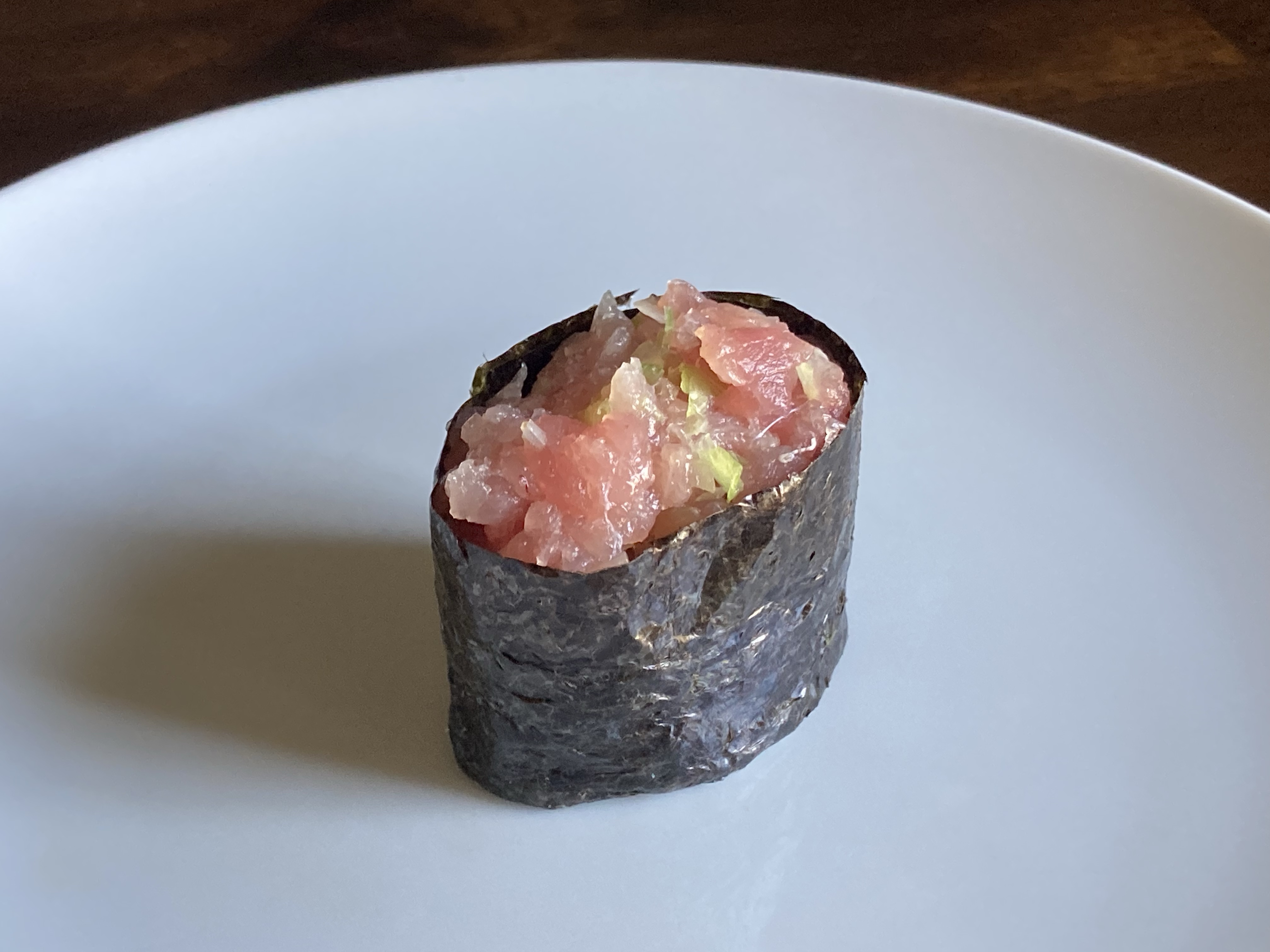
Gunkanmaki
Gunkanmaki(軍艦巻き), or warship roll, is a type of sushi made of vinegar rice with a border of nori to hold loose toppings over the rice. Popular in Kanto cuisine, it originated in Tokyo, Japan. Gunkanmaki is named for its shape resembling warships, called gunkan(軍艦) in Japanese. Common toppings are negitoro(ネギトロ), sea urchin gonads(ウニ uni), and…
-
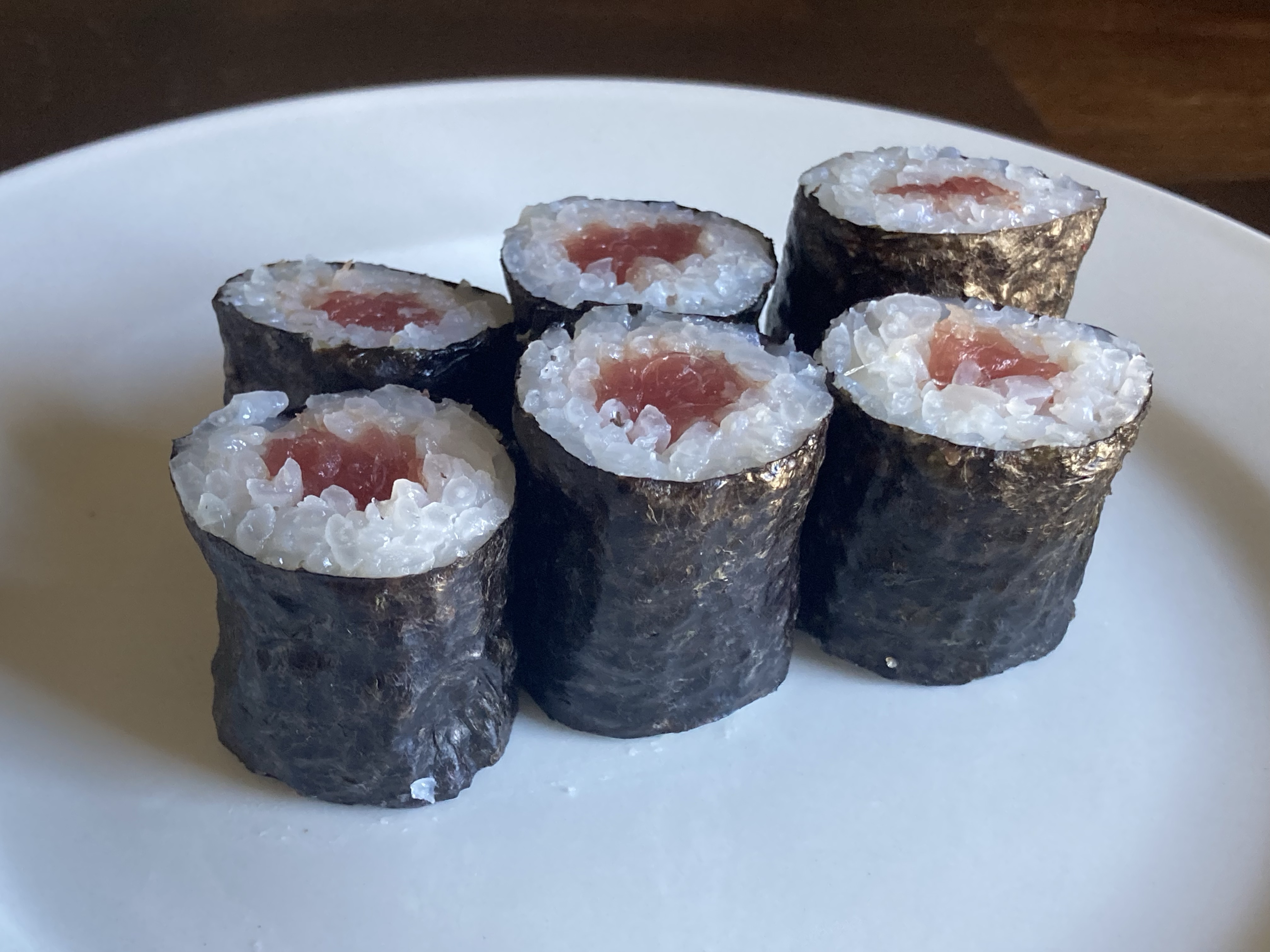
Hosomaki
Hosomaki(細巻き) is a thin sushi roll. It can be considered a type of makizushi(巻き寿司), or sushi roll. Hosomaki is popular in Kanto cuisine. Hosomaki typically have only one filling, though fillings can vary widely. Some of the most common varieties are kappamaki, cucumber roll; tekkamaki, tuna roll; shinkomaki, pickled daikon radish roll; and kanpyomaki, seasoned…
-
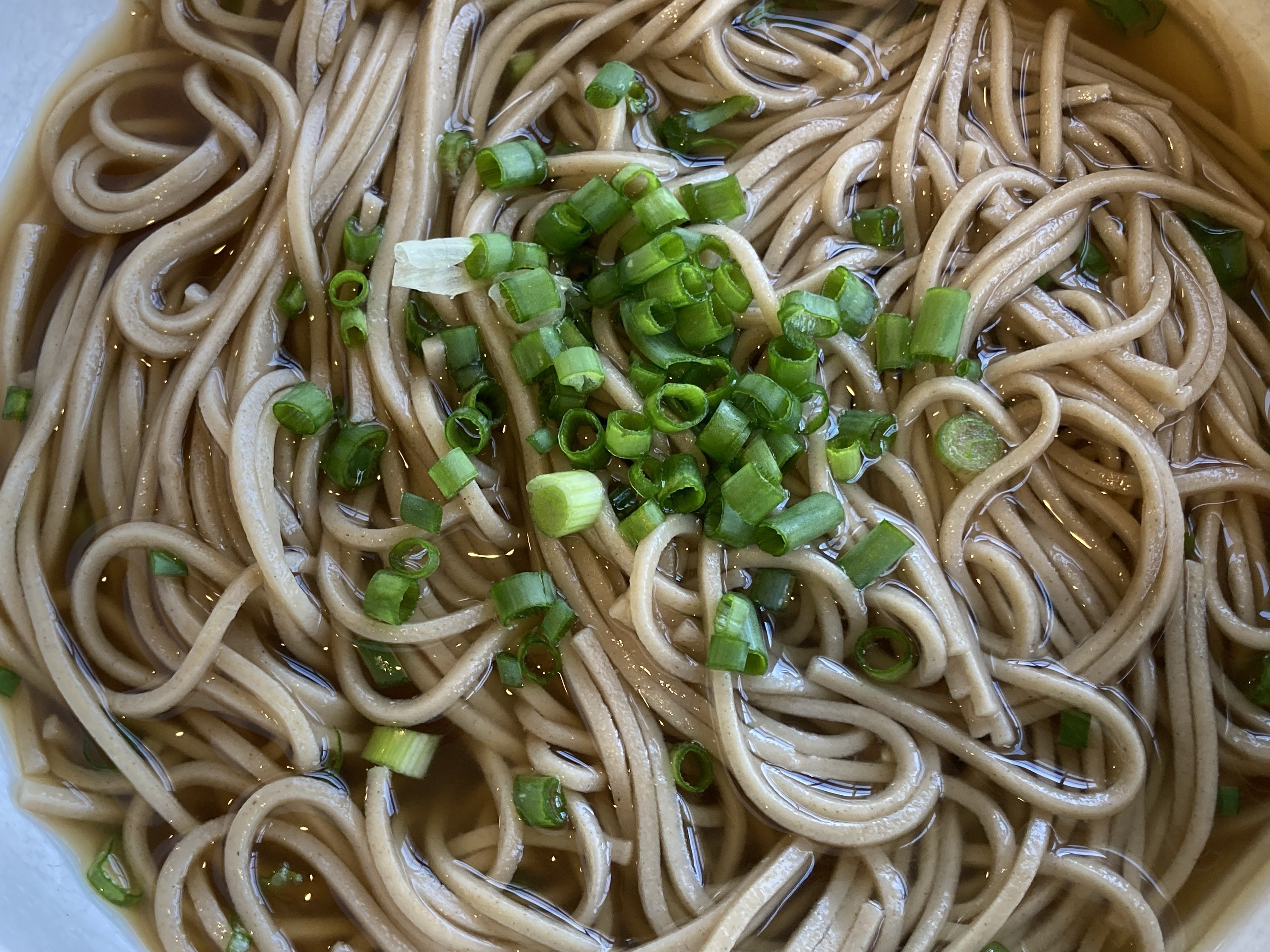
Kake Soba
Kake soba(掛け蕎麦) is buckwheat noodles served in hot broth. Other toppings can be added like shredded nori, fried tofu, fish cake, and hardboiled egg. Men-Tsuyu(めんつゆ) Recipe Ingredients 1 cup dark soy sauce 1 cup mirin 1 piece dried kelp Directions heat soy sauce add mirin, kelp simmer below a boil about 5 minutes let cool…
-
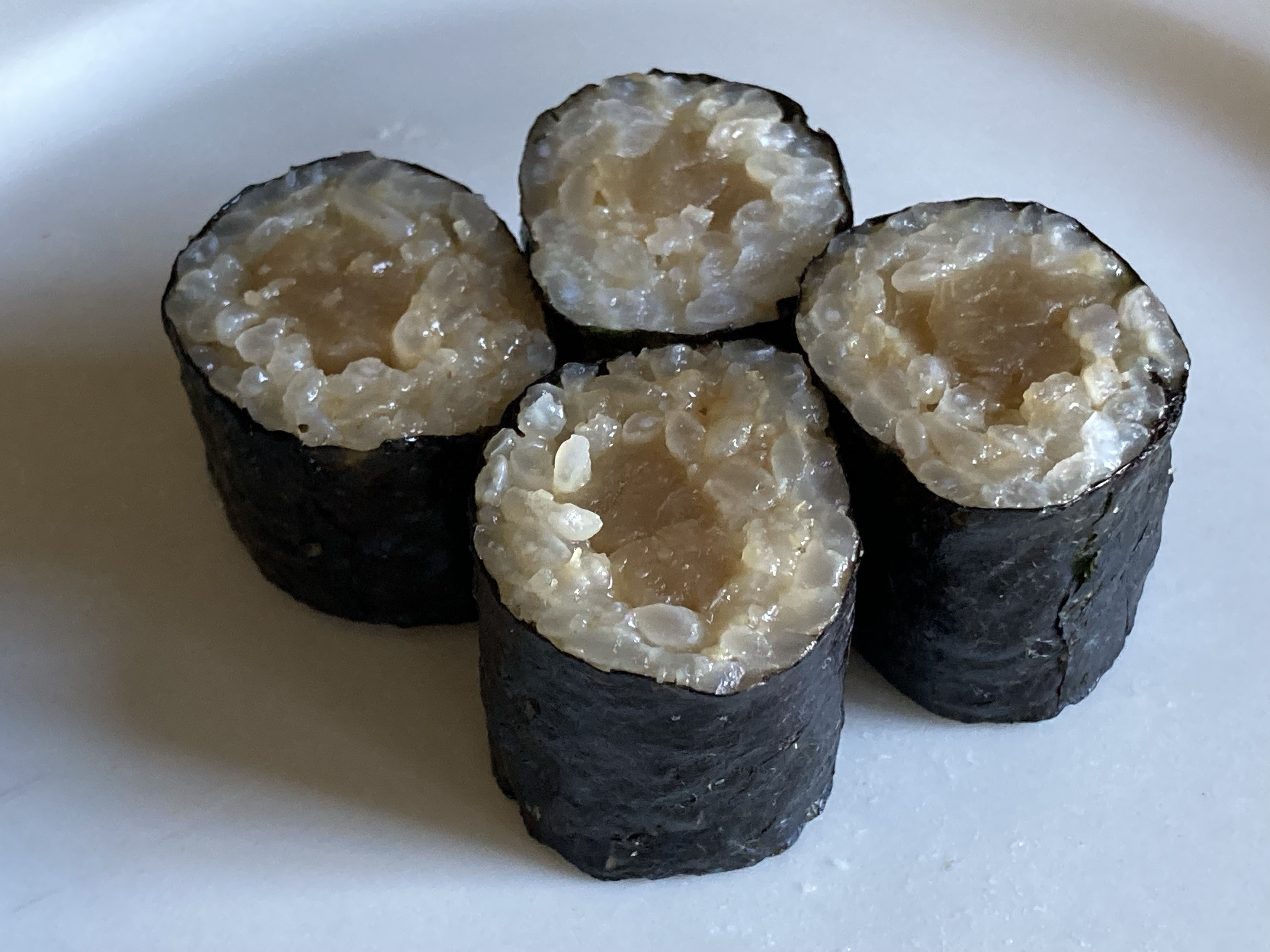
Kanpyo Maki
Kanpyo maki(干瓢巻き) is a type of small sushi roll with seasoned dried bottle gourd strips surrounded with sushi rice and wrapped in nori. Kanpyo maki is a traditional Edo(江戸) dish from the Kanto(関東) cultural region, which includes Tokyo(東京). It is a type of small sushi roll with a single filling known as hosomaki(細巻き). Kanpyo maki…
-
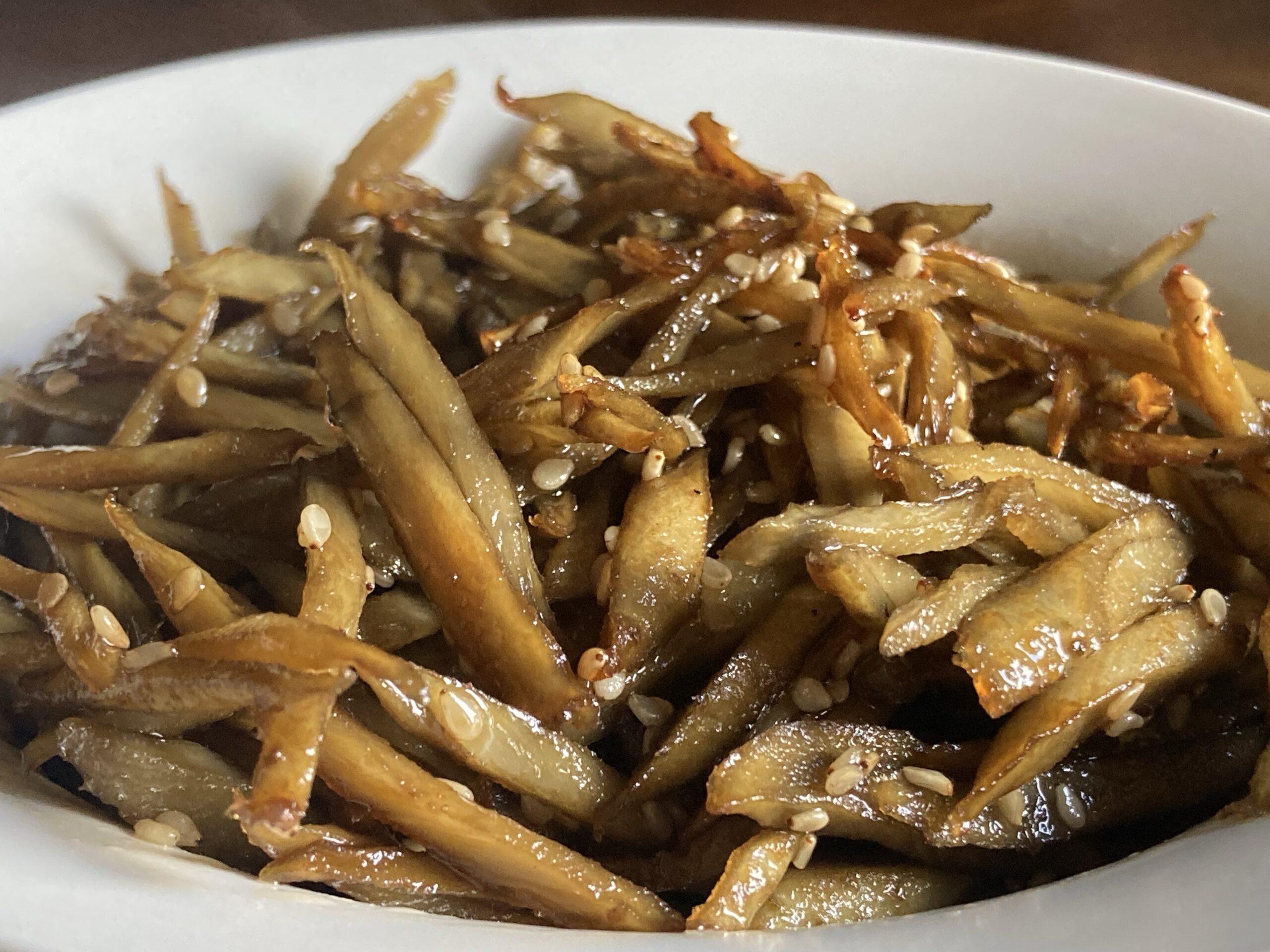
Kinpira
Kinpira(きんぴら) is a simple traditional Japanese dish most commonly made with burdock root, or gobo(ごぼう), often with carrot added. It is first sautéed, then glazed with a tare sauce. Kinpira typically has a nutty flavor from using sesame oil and is usually garnished with sesame seeds. Kinpira is usually a side dish and can be…
-
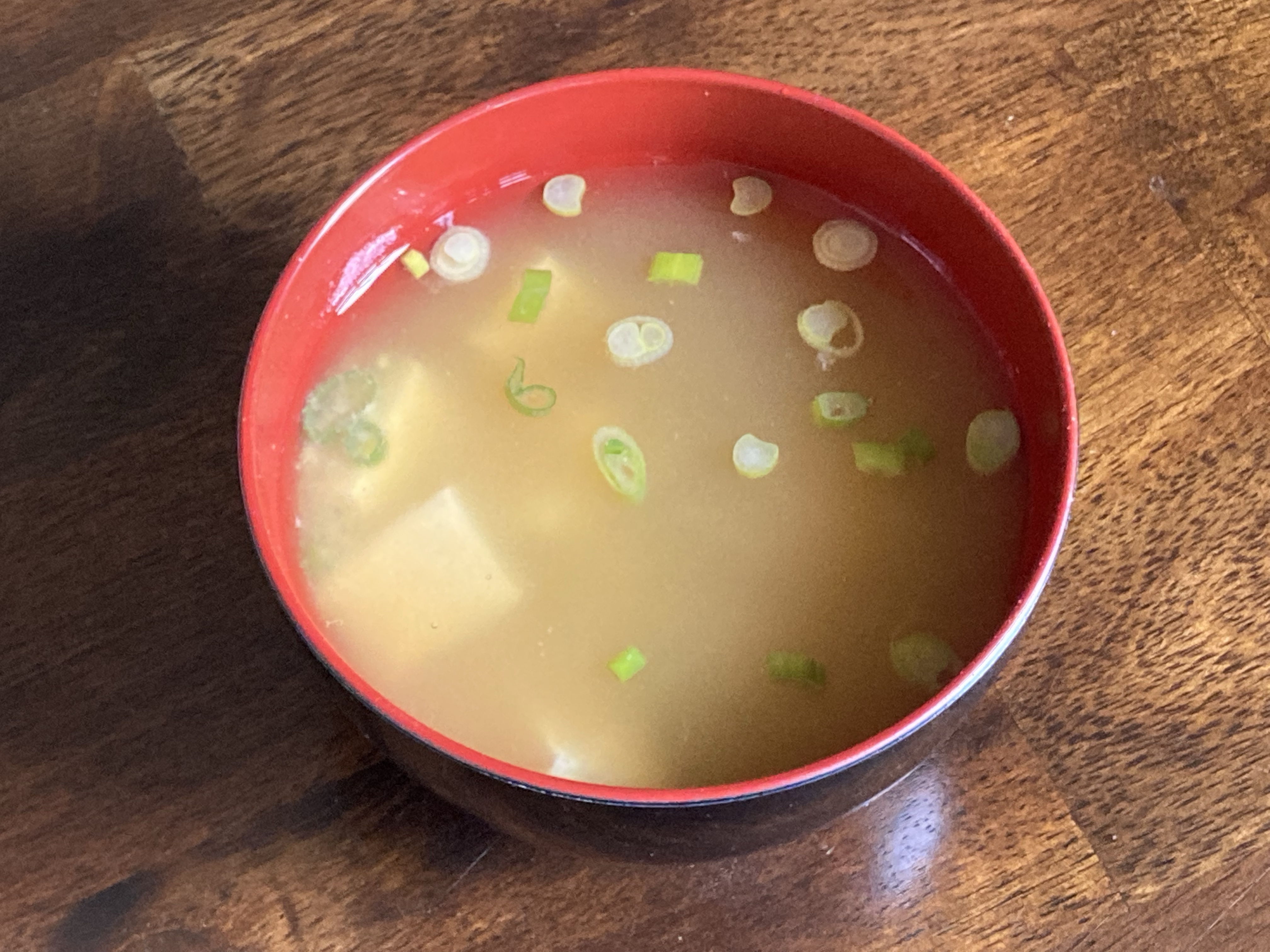
Miso Soup
Miso soup is a popular and simple Japanese soup made with miso. Miso is a paste made from fermented soy, often with grains, salt, and koji. Miso soup can use various types of stock, traditionally made with ingredients such as fish, kelp, or mushrooms. The vegan recipe below makes a kelp stock. Bonito flakes and…
-
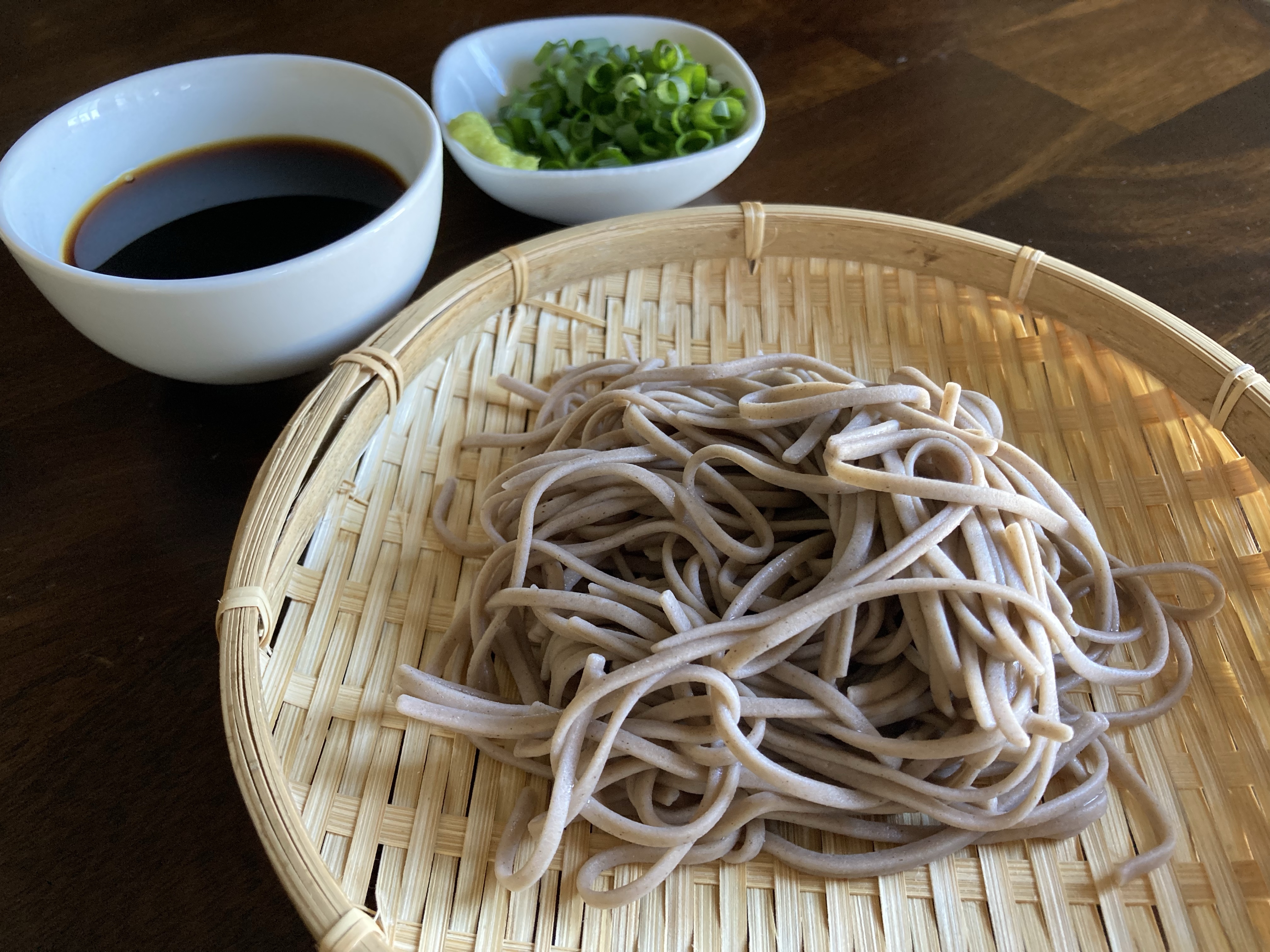
Mori Soba
Mori soba(もりそば) is Japanese buckwheat noodles served with garnish and dipping sauce. Mori(もり) means pile or piled up, referring to the noodles served piled up without broth. Mori soba can be found throughout Japan, especially in eastern Honshu where soba is common, such as the Kanto region. When this type of soba is served on…
-
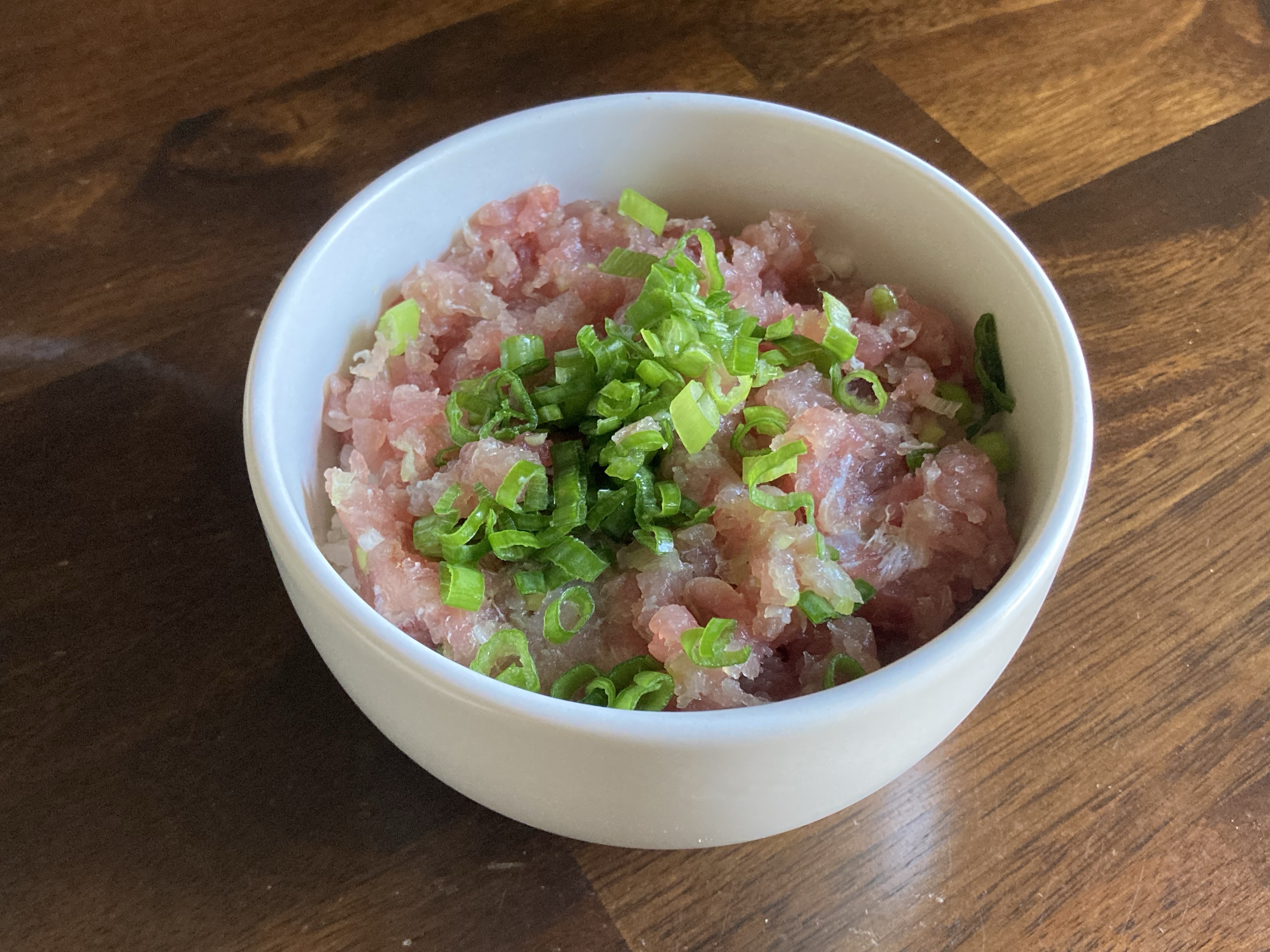
Negitoro
Negitoro(ネギトロ) is minced raw tuna and scallion. Fatty tuna belly, or toro(トロ), is sometimes used, since the name sounds like negitoro; however, negitoro traditionally uses tuna meat leftover after the best cuts are removed to be used for sashimi or other dishes, especially fatty meat from the bones and skin. It can be a good…
-
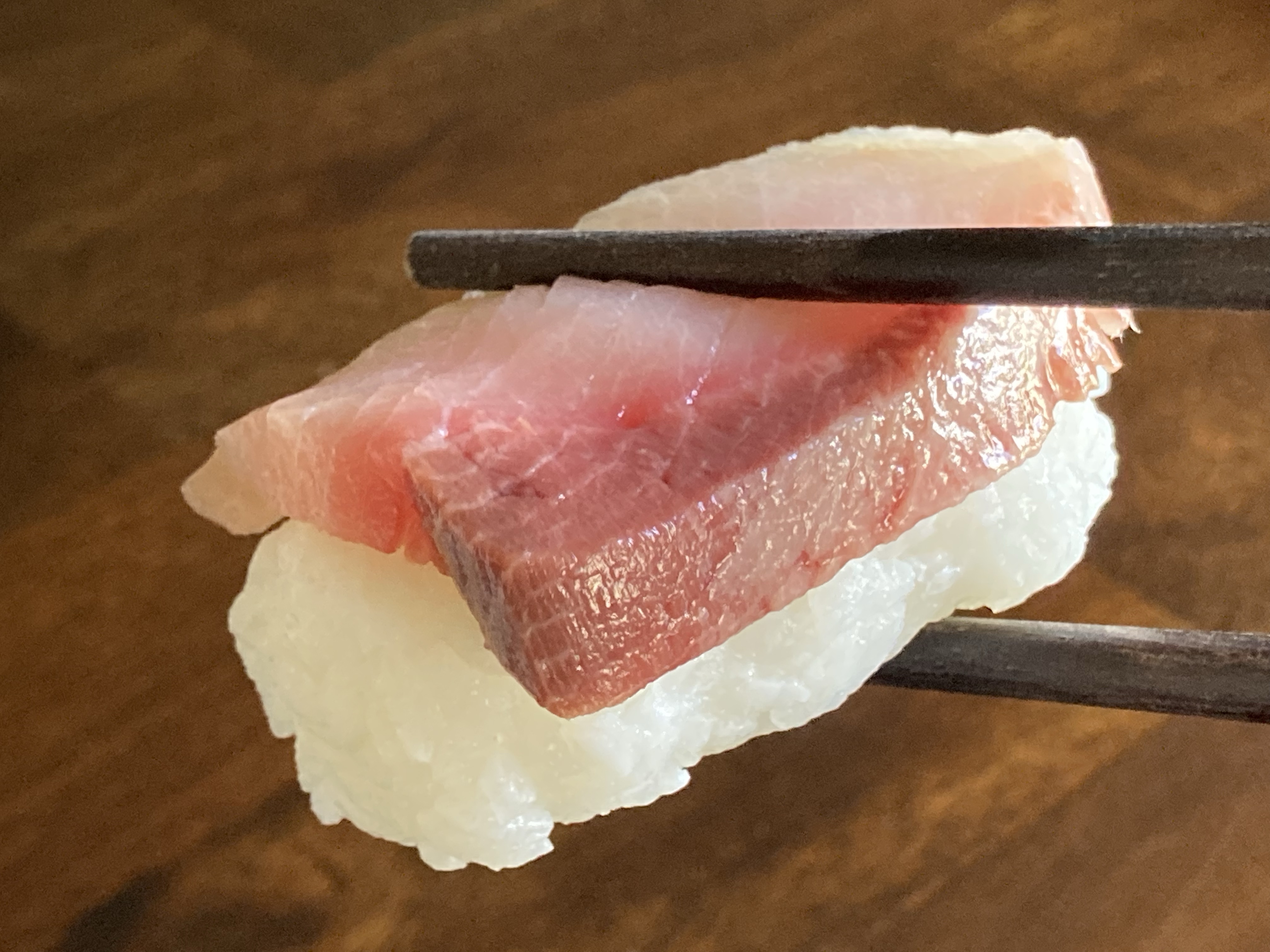
Nigiri Sushi
Nigiri sushi(握り寿司), or simply nigiri, is a type of sushi with a main ingredient on top of pressed sushi rice. Raw fish is the most common main ingredient, though other toppings such as cooked seafood and even vegetables can be used. Nigiri sushi originated in Edo, which is now Tokyo. The traditional sushi from this…
-
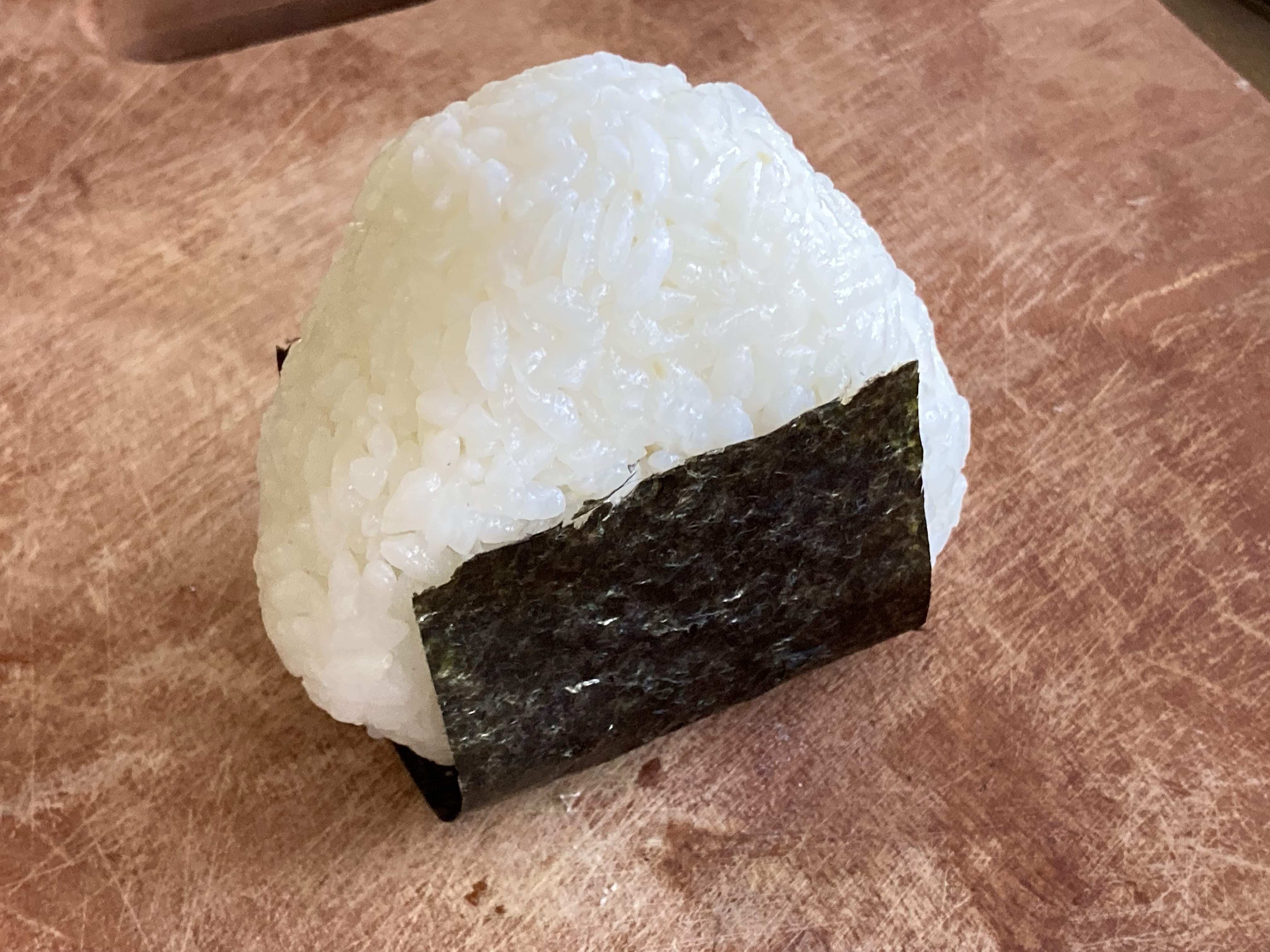
Onigiri
Onigiri(おにぎり) is a Japanese rice ball. It can be as simple as plain rice or can have various types of filling or toppings. Onigiri is also known as omusubi(おむすび). Pickled plum or umeboshi(梅干) is a popular filling. Salted salmon, soy sauce katsuo(おかけ okake), tuna, and salted roe are also popular. Besides fillings, onigiri are sometimes…
-
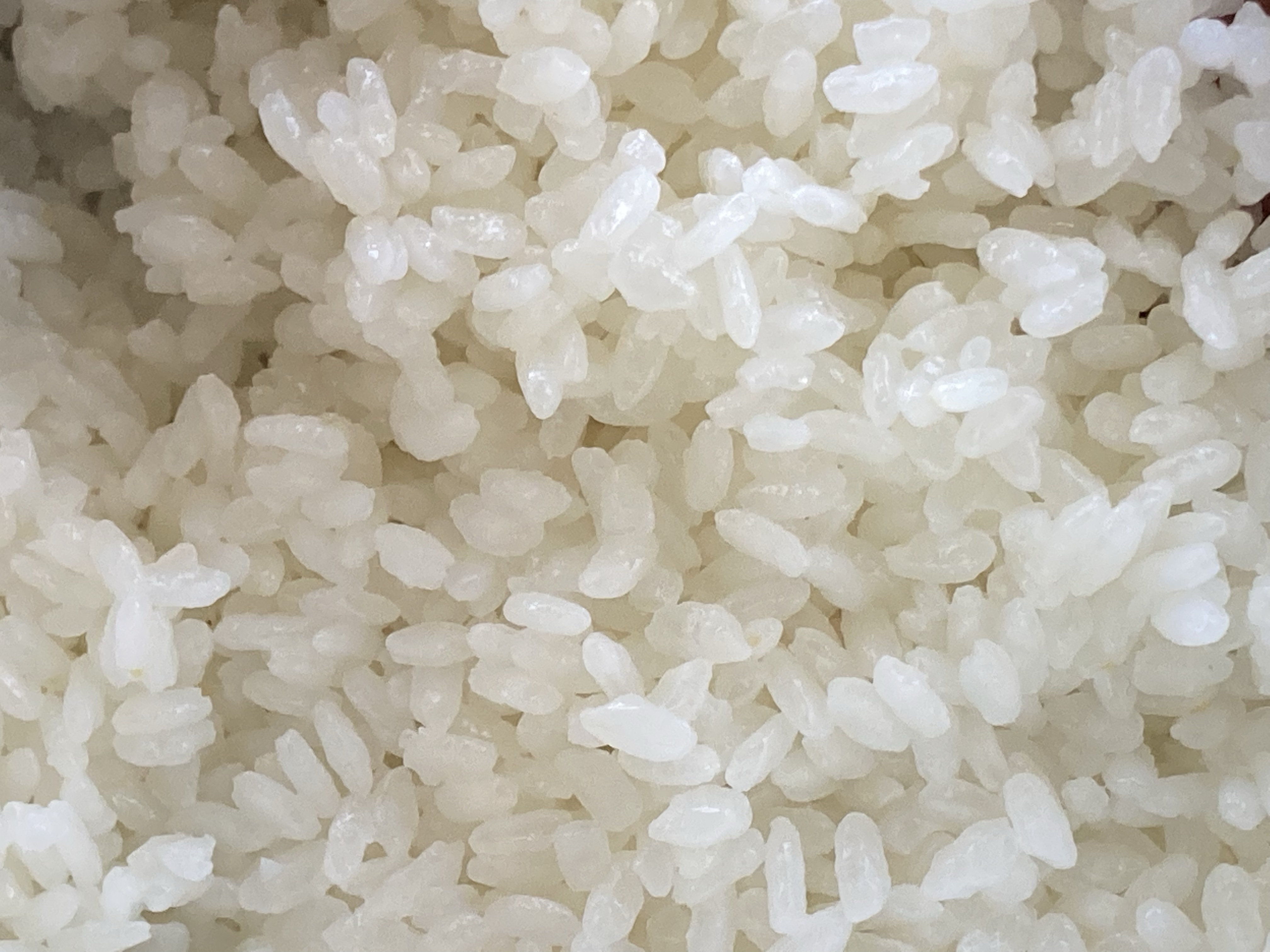
Sushi Rice
Sushi rice or vinegar rice(酢飯 sumeshi) is the foundation for many types of sushi. It is essentially steamed japonica rice with a vinegar mixture added. The rice used is generally short-grain japonica varieties. These hold their shape and clump together, so they can be shaped into rice balls for nigiri sushi(握り寿司) and into rolls for…